Mathilde Charpail

URBAN MEDLEY- the story behind the scarf

81605084_2497574657151512_9144981367510007808_o.jpg

HOW WAS URBAN MEDLEY CONCEIVED AS A BUSINESS?

Urban Medley was ideated based on a simple philosophy, to give back to the land I loved and originally come from, India. I started this curated platform to promote sustainable, handmade accessories from India and to bring to the global consumers, products made by artisans which balance tradition with contemporary design. Our products represent centuries-old forms of weaving and printing.

It is a journey to revive traditional art forms which are inherently sustainable.

More importantly, if this ecosystem is not preserved and protected it will simply die out leaving a huge void in our heritage.
Tussar.jpg

WHY THE NAME URBAN MEDLEY?

The name of our brand  ‘Urban Medley’ reflects the medley or collection of heritage, art, and fine craftsmanship which is beautiful, exclusive, and adds a little more color and fun to life.

WHAT DOES THE WORD “SUSTAINABILITY” MEAN TO YOU?

For me, sustainability is a concept of equity. Equity in terms of a sound balance between social, environmental, and economic perspectives along the entire value chain of a product.

For our brand more precisely, it means creating products that are mindful of the environment and the communities which are involved in the process. 

It also includes understanding and preserving traditional forms of weaving and printing which will perish from the onslaught of fast fashion and big brands unless they are protected and promoted.

Our artisans are mostly not schooled professionally they often pass on their technique and craftsmanship – through apprentices, master to student, or one generation to the next. 

Excessive commercialization can break this frail ecosystem hence it is important to allow it to flourish within its native ecosystem. It is exactly for this reason that our designers work with the artisans within their communities. Guide them on the use of designs and colors so that their products are appealing to a global consumer base.

HOW DO SUSTAINABILITY ISSUES IMPACT YOU AS A BRAND?

We are committed to selling maximum possible sustainable products only. I do not like saying 100% sustainable as that is difficult across all the parameters of a business.

Sustainable products are mostly more expensive than fast fashion products. This can be a huge hurdle for smaller brands as they are competing with the bigger players in the market. People have the notion that sustainable products are not the trendiest. These are issues we must constantly battle with.

Consumers need to understand that when a product is fairly made and the maker is given an honest remuneration for the labor, it will reflect on the product price. When a product is handmade that in itself makes it so much more exclusive than anything machine-made or mass produced.

It is not possible for us to give deep discounts this defeats the whole purpose.

CAN YOU EXPLAIN THE SUSTAINABLE MATERIALS USED BY URBAN MEDLEY?

Brand Urban Medley is presently focussing on accessories made of two materials- Peace Silk and Organic Kala cotton.

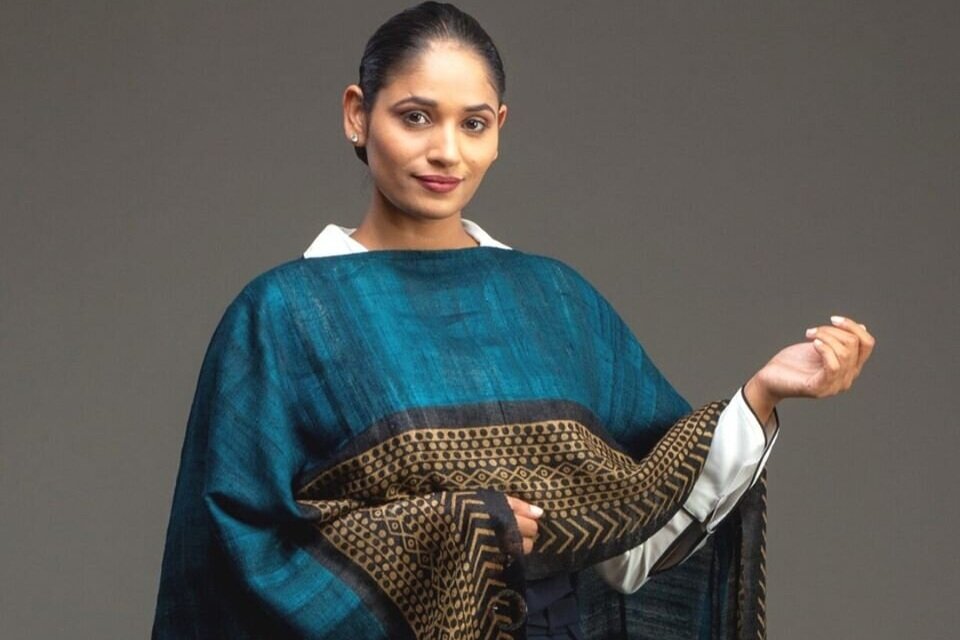
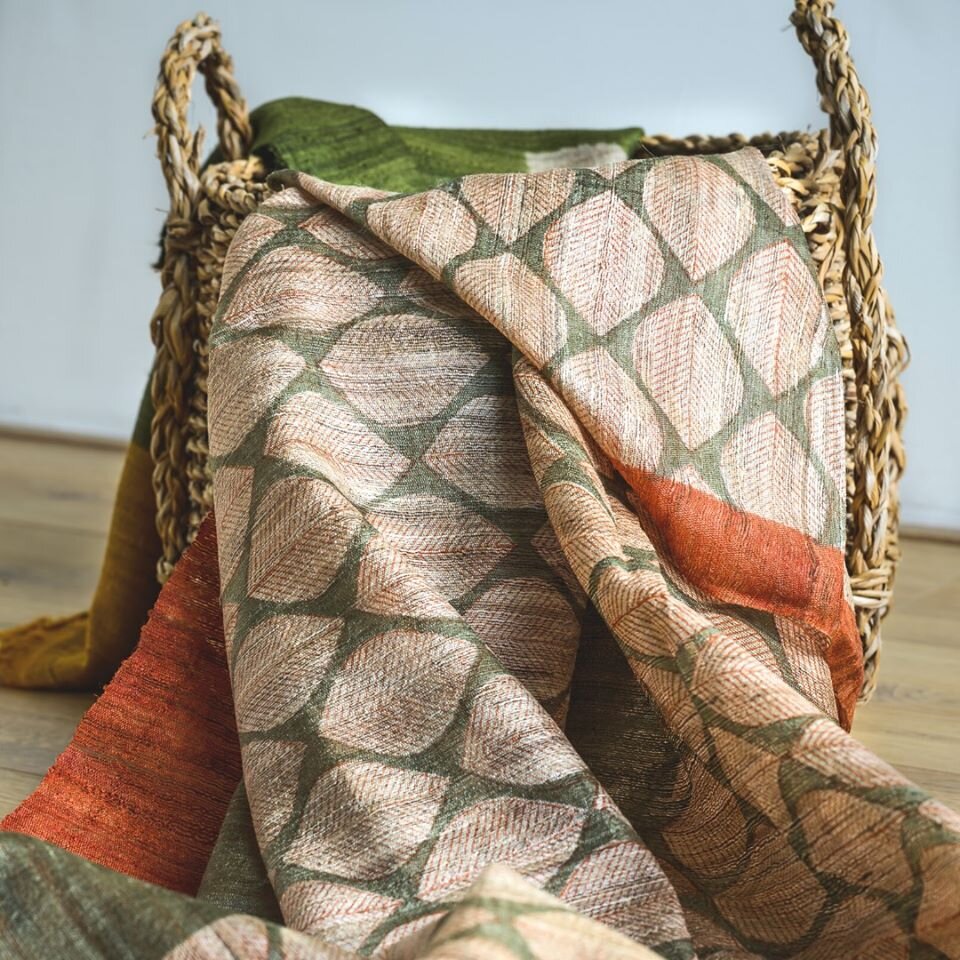
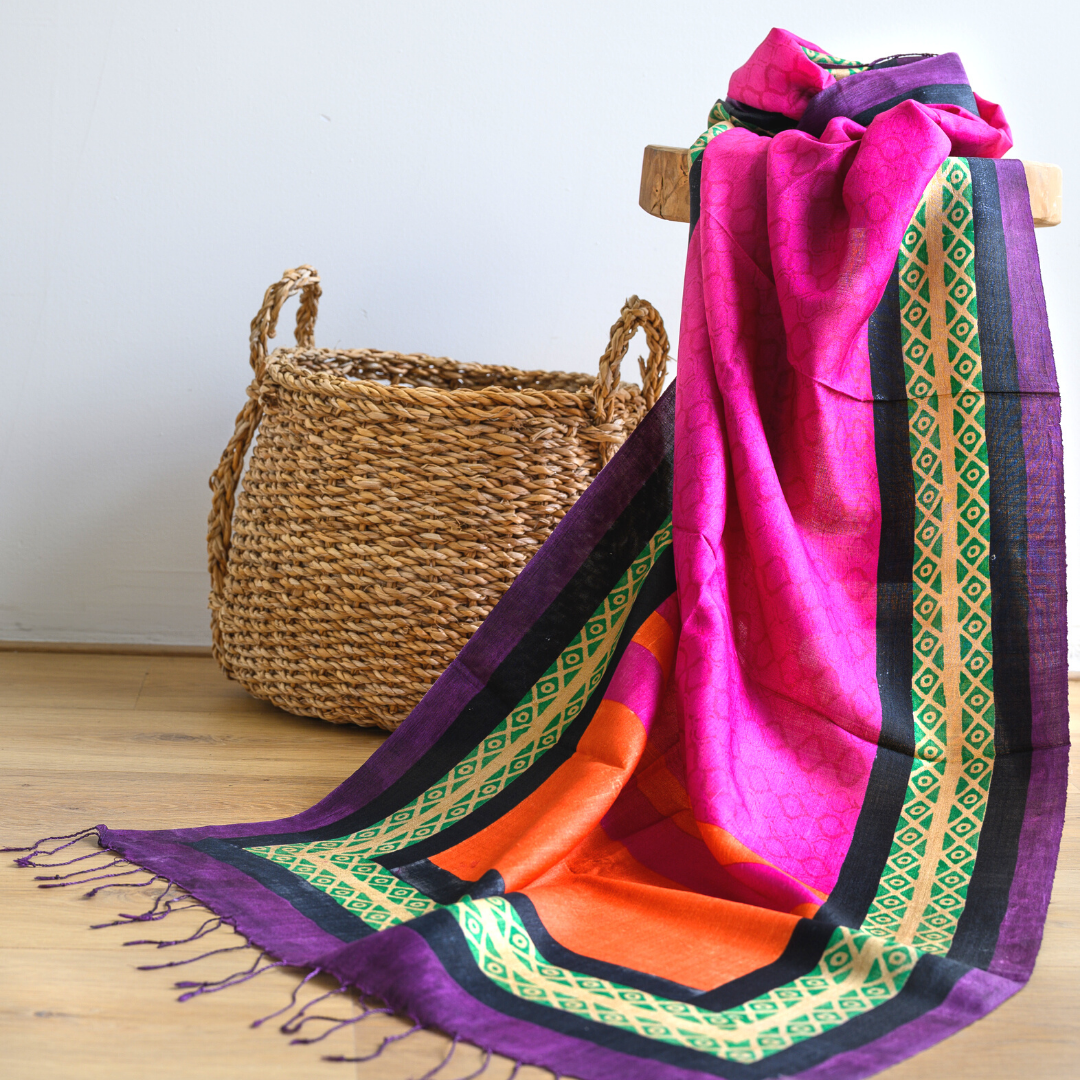
Peace Silk  It is not very commonly known. It is a cruelty-free way of making silk. Instead of boiling the cocoon in hot water while the silkworm is still alive, as is done in conventional silk, we wait for the silkworm to cut through the cocoon as it metamorphoses into a moth and discards the cocoon. The yarn is spun from the discarded cocoon and then woven into silk fabric. Spinning and weaving are done by hand and the silk yield in this method is much less than when you boil the cocoon- however as a process it is more ethical, cruelty-free, and sustainable. It retains the purest qualities of silk. Our scarves and capes are hand block printed on peace silk.

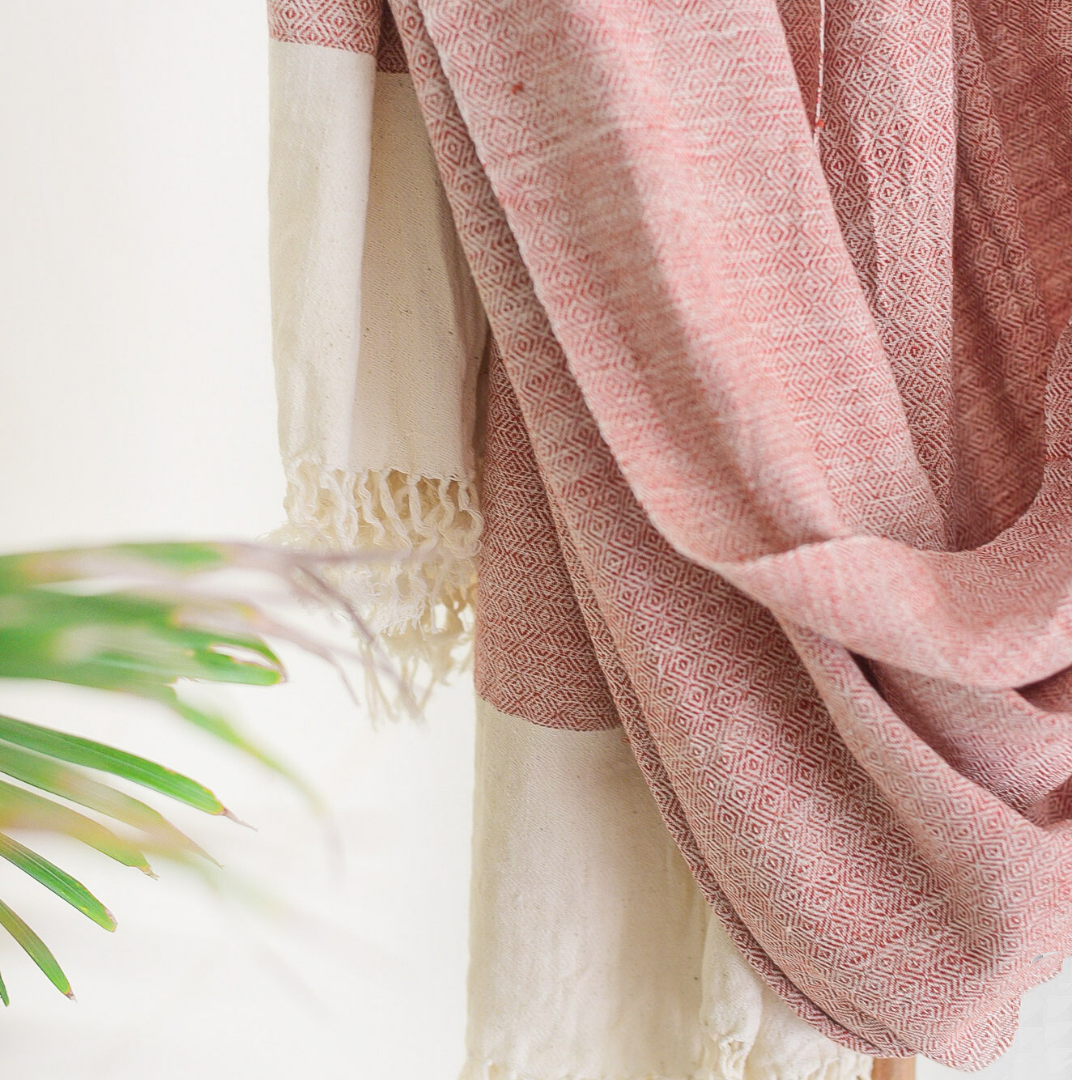
Cotton, as we are aware, is not one of the most sustainable simply because of the excessive amount of water required for its cultivation- however KALA organic cotton is an old-world cotton which is completely rain fed while using no synthetic fertilizer or pesticides. This is a resilient variety of cotton traditional to the Kutch region of Gujrat in Western India.  This the cotton we use.
22.png

WHAT COULD YOU DO BETTER IN TERMS OF SUSTAINABILITY?

We would like to better inform our customers about the supply chain. Not just the fabric but inform them in greater details about the artisan behind each product. Going forward we would like to work more with recycled materials - as in making products out of used fabric and garments. Presently we are working only with new fabrics and materials.

WHAT ARE YOUR MAIN OBJECTIVES FOR THE NEXT 5 YEARS?

Increase the brand awareness amongst conscious consumers. Introduce our clientele to a wider collection of sustainable products made of hemp, bamboo, and Piñatex®. Create an exclusive range of products that truly stand out and are representative of traditional forms of art, weaving, and printing.

We also need to be financially viable as a brand or else we cannot continue to support our artisans.

Have a stronger voice within the sustainable ecosystem. Be a source of credible information for the consumers and help make them change their lifestyles and consumption pattern for a better greener world. 
kala cotton 2.png

WHICH IS THE PRODUCT YOU ARE TRULY PROUD OF?

There is a long journey from the moment a product is conceived to the point we are ready to sell it. This journey includes research, designing, production and finally holding in our hands the finished item.  Each step is so dear to us and we invest so much of our time and passion that we cannot but love each item equally. It is hence very important that each of our products finds a loving home and owner.
Shayonti Chatterji - Founder of Urban Medley

Knickey underwear: behind the scene

What is the origin of Knickey? What reveals your brand concept?

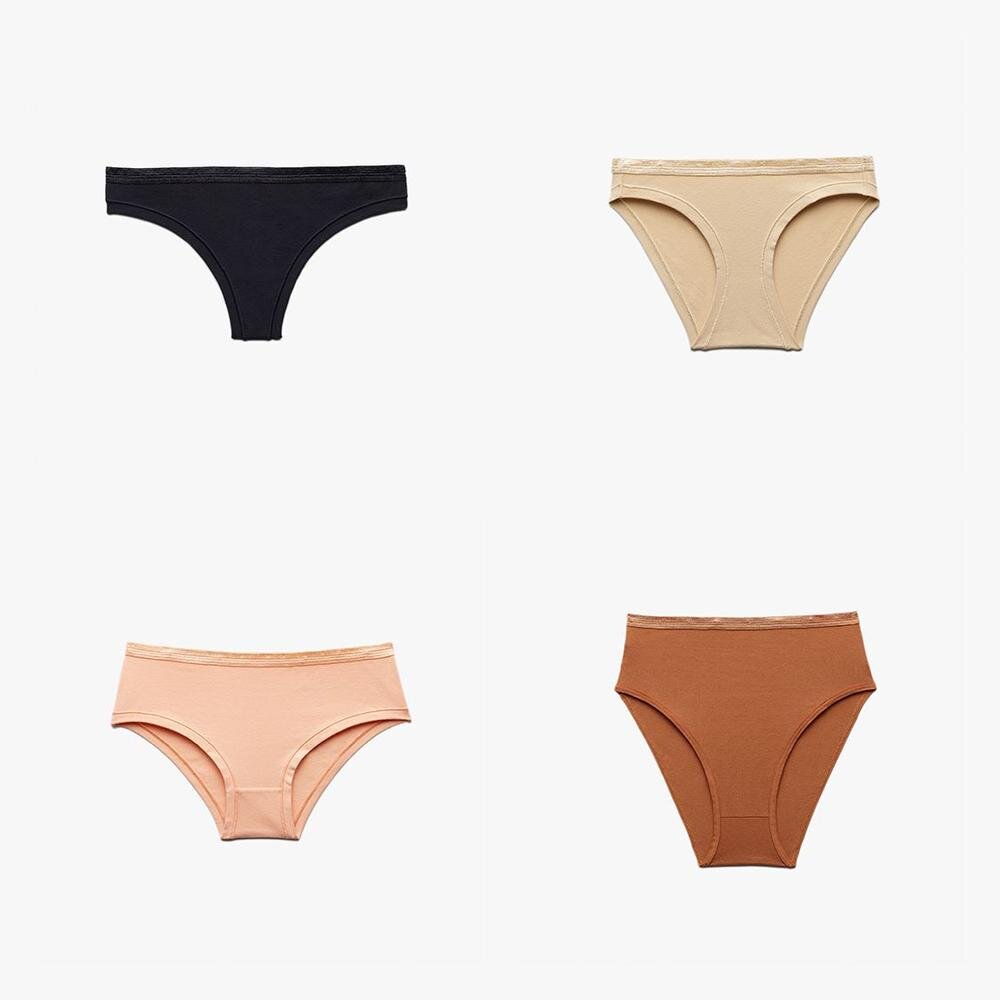
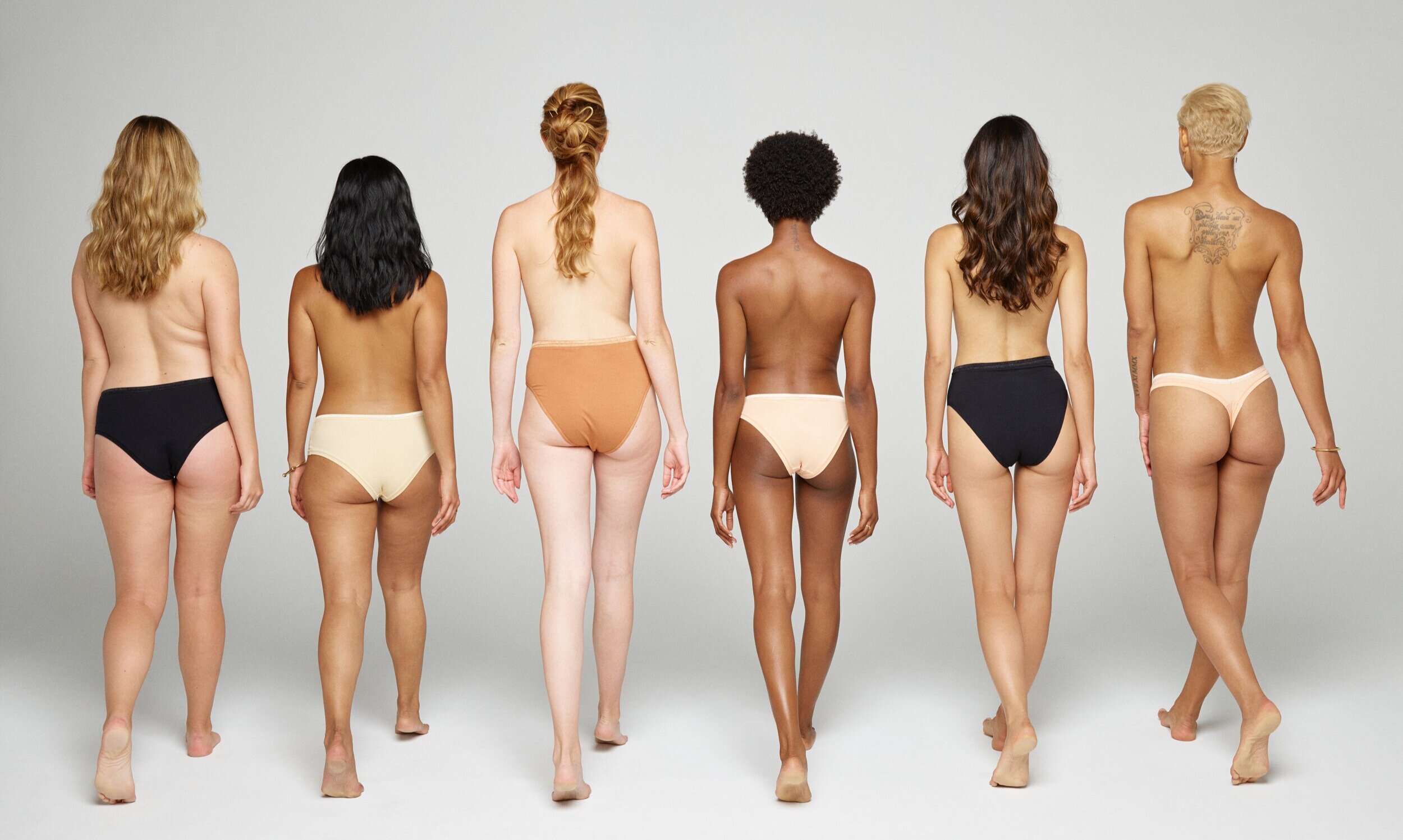
After working in both design and retail, we learned firsthand the detriment that the fashion industry has on both the planet and its people. We vowed to make products that are better for the earth, and better for us - starting with the first layer we don daily: undies. Knickey offers the best basic briefs from certified organic cotton and the world's first Recycling Program that diverts old intimates from landfills. We are on a mission to make organic the everyday option for people everywhere - and we are just getting started.

What does the word “Sustainability” mean to you and how do Sustainability’s issues impact you as a brand?

Sustainability is a term we try not to use too frequently, as its meaning has diminished in recent years. It is too nebulous a word to properly capture the vastness of issues that the fashion industry faces, and it, therefore, fails to address the nuances in application that consumers and companies alike may take to approach these issues. Further, it has been exhausted by greenwashing and misappropriated by too many companies, serving only to mislead consumers and in that process, miseducate them. For Knickey, sustainability means articulating exactly how our activities as a company relate to climate impact, resource consumption, and how we treat people. And importantly, it means that we provide credible evidence to any claims that we make. In a time that it is vital for all companies to prioritize action in these verticals, we believe that it is equally as important to qualify those actions accurately -- and to stay away from using broad stroke buzzwords without qualitative and quantitative support.

What is your strongest commitment in terms of Sustainability in your business? What could you do better?

Our strongest commitment is to constantly improve upon our climate impacts, and to move the fashion industry toward more environmentally-friendly practices in production. But there is so much to tackle - and with just one product line currently, we are only hitting the tip of the iceberg! We would love to support additional sustainable materials outside of the realm of organic cotton, and inspire more companies to invest in innovative alternatives to their current offerings. We believe that rising tides raise all boats, and if more brands demanded transparency from their suppliers, the more positive impact we could collectively have on the industry.

We utilize organic cotton certified to the Global Organic Textile Standard. GOTS is recognized as the world's leading processing standard for textiles made from organic fibers. Our adherence to Oeko-Tex prohibits the use of harmful toxic chemicals in production - such as formaldehyde, azo colorants, pentachlorophenol, cadmium and nickel. Importantly, it goes beyond the legal regulation set forth by the US Consumer Product Safety Improvement Act [CPSIA] to prevent the use of unregulated toxic chemicals that still crop up in underwear across the industry. Additionally, our factories are Fair Trade certified to ensure everyone involved in the production of Knickey undies is treated with the respect and care they deserve. That means living wages, safe working conditions, and absolutely no toxic substances that could be harmful to people’s health. Finally, Knickey packaging is thoughtfully crafted from post-consumer recycled waste, and designed for reuse. Materials are certified by the Forest Stewardship Council to ensure that they are renewably-sourced from post-consumer waste, or sustainably harvested trees. Our packaging is dually intended to be used in our Recycling Program, encouraging customers to recycle intimates to prevent textile waste that would otherwise end up in a landfill. We take great care to ensure that every component of our supply chain and business upholds our core tenets of sustainability and better business practices -- better for your body, your wallet and our world.

What are your main objectives for the next 5 years?

The next five years will be characterized by a delicate dance of scaling the business while remaining true to our values and the goals we set out to achieve in circularity, material innovation, and social impact. We have some exciting innovations in mind for our Recycling Program, and we are simultaneously working hard to source a bio-compatible stretch component in order to have a biodegradable product and completely closed loop offering, As a company, we work tirelessly to ensure that we are being the most responsible in each sector of our business that we can be, and we're continuing to iterate, innovate and improve upon our offering to eliminate the current tradeoffs that can come even within a certified sustainable supply chain. 

What is THE product that at best represents and defines Knickey? And why?

The thing that best represents Knickey is our commitment to the most sustainable product components. Whether that means in fabrication, manufacturing processes or in fair labor practices. These principles are embedded in each and every one of our products, and demonstrates our commitment to better business, and a better world.

Bringing Men into the Sustainable Fashion Agenda

Bringing Men into the Sustainable Fashion Conversation.jpeg

If you’ve spent much time in sustainable fashion communities, whether that entails shopping with different brands, reading thought pieces or engaging in online discussions, you’ve probably noticed that these spaces are often founded and led by women. Women also make up the majority of the activists and engaged community members in these spaces. 

And to be clear: that’s a great thing. 

But you may be wondering: “where are the guys in sustainable fashion?” Well, guys actually care about shopping sustainably quite a bit, maybe even more than women do. Whether they’re buying sustainable clothing because it makes them feel good or because they know it has a positive impact on the environment, men have proven themselves to be eco-conscious consumers. So why the discrepancy of male participation in sustainability? 

One theory, evidenced by a study conducted by Margarita Torre, is that when spaces are dominated by women, men tend to flee from them. Her data shows that it’s not necessarily uncommon for men to venture into female-dominated fields for a short period of time, but they’re far less likely to stay there. 

Man Struggling to Shop for Sustainable Clothes.jpeg

There are a number of social and political issues that may contribute to this phenomenon. For example, the “Man Up” episode of NPR’s “Hidden Brain” discusses many men’s fear of appearing feminine. Gender psychologist Jennifer Bosson claims that “manhood is something that is hard to earn and easy to lose, relative to womanhood.” Many men are uncomfortable with anything that may threaten their masculinity, even an action as small as ordering a cocktail that features a mini umbrella.

Shopping and fashion in general are interests that have long been associated with women, even though men and women both care about their appearance and both need to buy new clothing from time to time. This is most likely because it is much more socially acceptable for women to be actively involved in the fashion world. Perhaps this has paved the way for women to become leaders in sustainable fashion communities, while men may feel less welcome, despite similar values and buying habits.

Whether the lack of men in sustainable fashion is due to feeling unwelcome or a fear of appearing feminine, the point remains the same: the sustainable fashion sphere is ruled by women, and it’s underrepresented by men.

The good news: we can change that. 

Where do guys go to shop sustainably? 

Group on Men Outdoors.jpeg

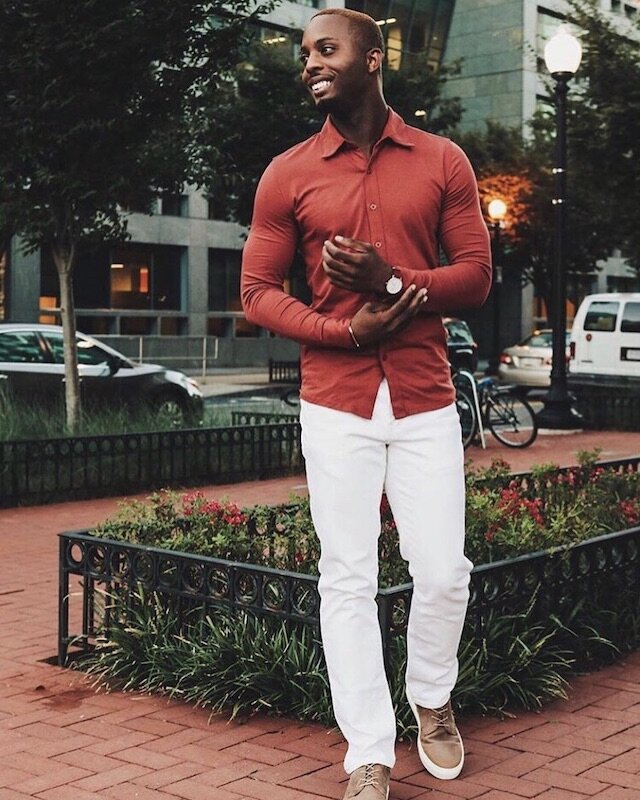
There’s one resource created specifically to bring men into the conversation: Eco-Stylist. By speaking directly to guys and focusing on making their sustainable shopping journey easy, Eco-Stylist broadens the sustainable fashion community. 

It can be difficult to figure out if the clothes you’re buying check all the right boxes, especially in a space so dominated by womenswear. Do the materials used to make your shirt have a negative impact on the environment? Are the people who stitched together your jeans being paid fair wages? It may feel like there aren’t as many options out there for men who care about sustainable fashion when compared to the number of options that women have, and, to put it bluntly, there aren’t. Not yet, anyway.

But before you call it quits and opt to buy the $15 sweatshirt from the fast fashion retailer that you know isn’t likely to be providing an acceptable workspace for their underpaid employees, know that there are resources out there doing the hard work of answering these questions for you. 

Using Remake’s sustainable brand criteria, Eco-Stylist takes the time to thoroughly research brands before choosing to partner with them. This criterion takes into consideration a number of factors, including transparency, environmental sustainability, maker well-being, use of sustainable raw materials, and the leadership of the brand within the ethical fashion sphere. 

Eco-Stylist compiles sustainable clothing from 50+ researched brands all in one easy-to-use marketplace, making it possible for men to browse a variety of items in one place. This means that you can find Outerknown t-shirts, Veja sneakers, and Finisterre board shorts with the convenience of just a couple of clicks.

How can guys learn more about sustainable fashion? 

Influencer Styled by Eco-Stylist.jpg

Watch this short film by Remake, which explains why a tag that reads “MADE IN THE USA” doesn’t necessarily mean your clothing is being ethically produced.

Next, watch this clip by Hasan Minhaj to learn (and laugh) about the deceptive practices major fast fashion retailers use to appear more green than they really are.

Listen to these podcasts during your commute to work or while you’re sorting through your closet, deciding which pieces to keep for your capsule wardrobe.

Follow Eco-Stylist and Sustain Your Style on Instagram to keep up with sustainable tips, products, and brands.

What’s Next?

Share this post with 3 guys in your life so that we can bring more men into the conversation surrounding sustainable fashion.

Regardless of your gender, shopping sustainably should be a comfortable and accessible experience for everyone.


Author:

Author Celia Wiseman at Eco-Stylist.jpg

Celia Wiseman studied Communication and Creative Writing at the University of Iowa, and her growing interest in sustainable living led her to Eco-Stylist. In her free time she enjoys reading, writing, and making videos, as well as any other activity that allows her to get creative.

The dirty face of the leather industry

 
Leather industry
 

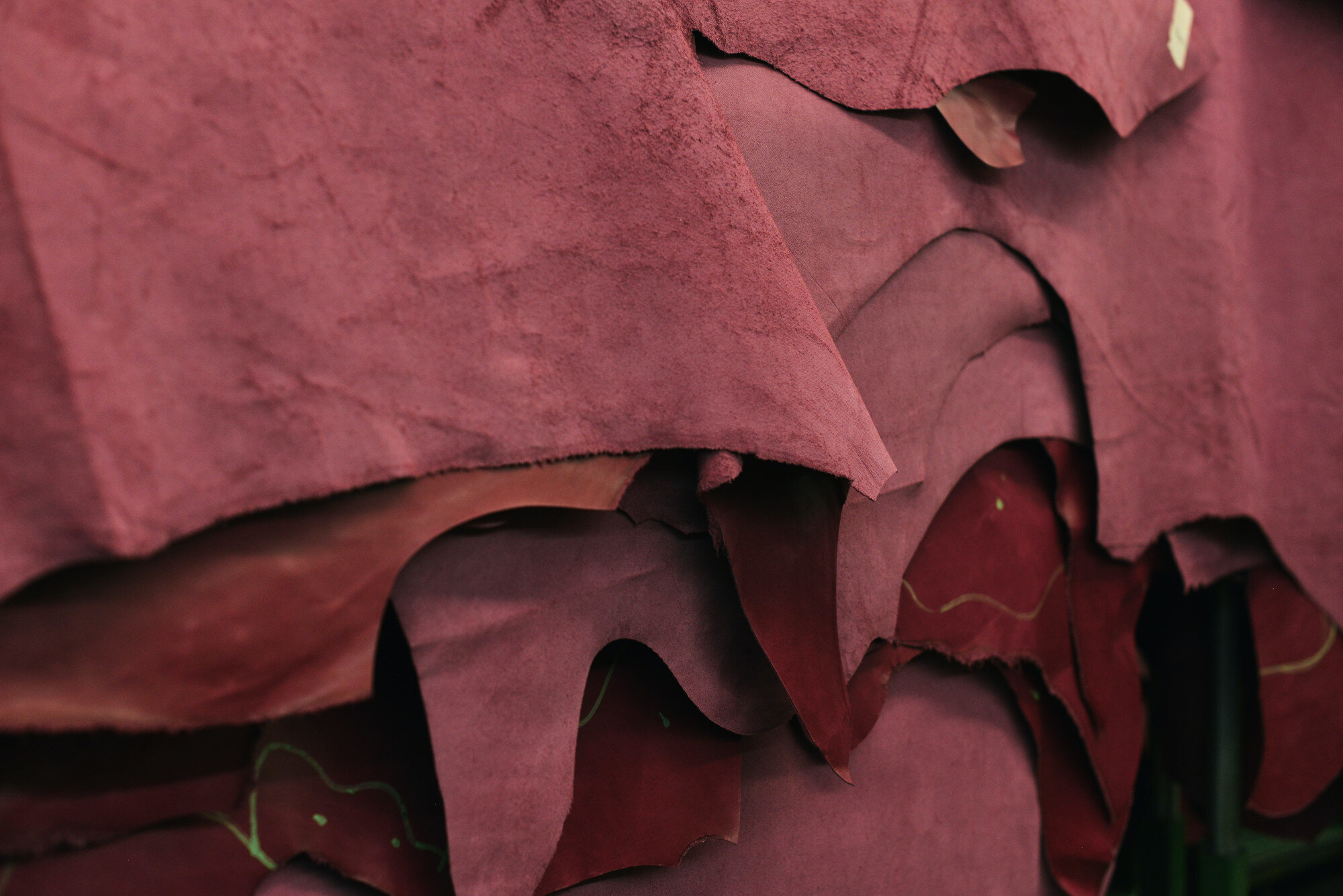
Leather is a controversial fiber. First of all, it is not an animal-friendly option, since it is made of dead animal skin. However, the skin used to make leather comes from animals raised for their meat. In that sense, it uses a byproduct from another industry, so it doesn’t actually need additional land and resources.

But environmental and social concerns related to leather are mostly linked to the tanning process:  Toxic chemicals are used (chromium in 80% of cases) to transform the skins into wearable leather.

Those substances are often dumped into rivers, polluting freshwater and oceans. Also, most of the tanning factory workers around the world do not wear adequate protection and suffer from skin, eye, and respiratory diseases, cancer and more due to their exposure to chemical substances.  

Also many children work in tanneries.

"Chrome-free" leather, which usually means aldehyde-tanned or vegetable-tanned, is an alternatives to chrome-tanned leather. However, it has been proven that its environmental impact is very similar to chrome-tanned leather.

Vegan leather is usually made of PVC or  polyurethane, which are synthetic fibers that have a similar environmental impact to polyester. It is certainly better for animal welfare, but it is not an eco-friendly option.

However, some plant-based substitutes of leather exist, such as the pineapple fiber.

The good news is that some sustainable leather options are starting to appear. There are not many options in the market yet, but they do exist. These include Ecolife™ by Green Hides, which creates eco-friendly, chrome-free leather in Italian tanneries that recycle and purify wastewater.